


The fire extinguishing of perfluorohexanone is primarily achieved through the synergistic effects of three mechanisms: rapid heat absorption and cooling, oxygen isolation, and interruption of the combustion chain reaction. The specific principles are as follows:
1. Rapid heat absorption and cooling
The boiling point of perfluorohexanone is only 49°C. It transforms from a liquid to a gas within 5 seconds upon exposure to fire, absorbing a large amount of heat
The heat of vaporization reaches 88 kJ/kg, capable of instantly reducing the temperature of the fire scene by over 200°C
For example, in a lithium battery fire, the temperature can be rapidly reduced from 800°C to below 150°C, directly disrupting the conditions for combustion
2. Isolate from oxygen
After gasification, a high-density layer of inert gas is formed:
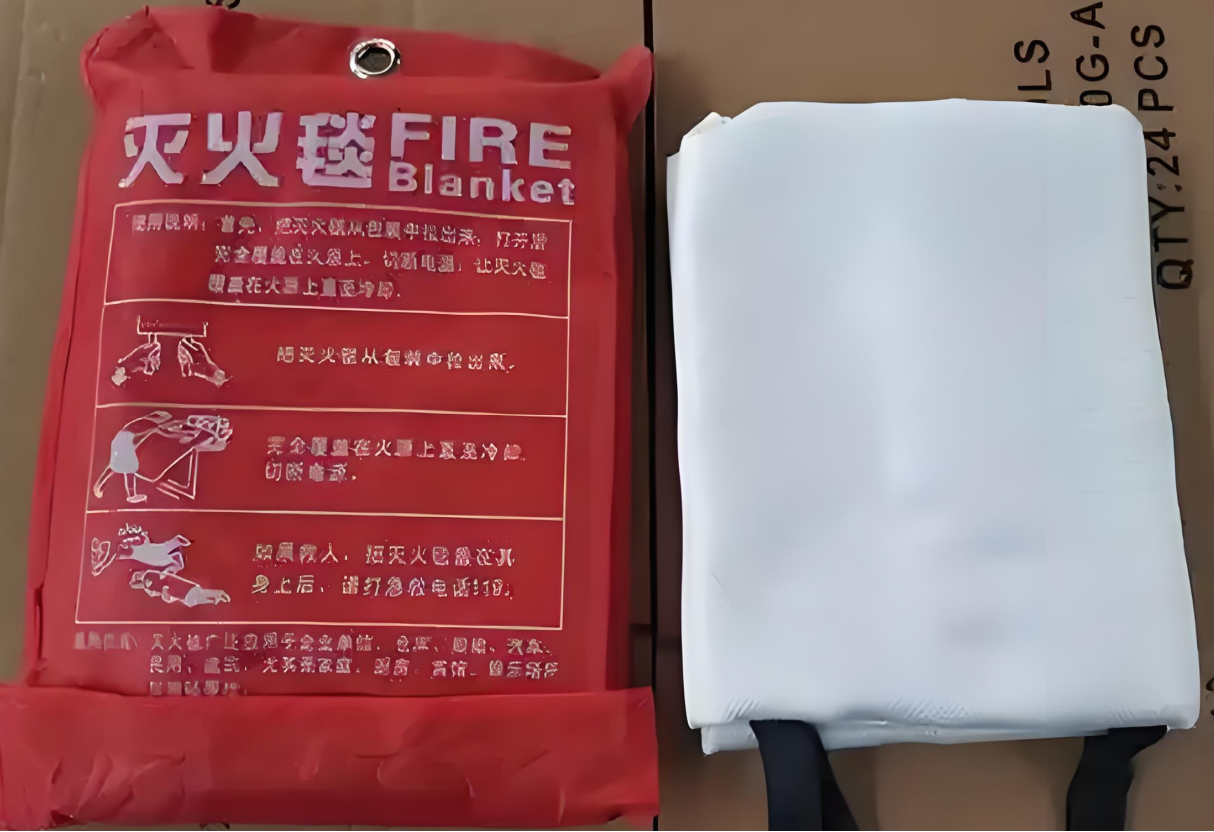
With a density of 1600kg/m³, it covers the fire source like a "blanket", blocking the oxygen supply
Maintaining a presence in a confined space for 28 seconds, which is 3.7 times longer than the suffocation time caused by carbon dioxide, ensures the complete extinguishment of flames
3. Interrupt the chemical chain reaction
Consuming free radicals generated by combustion:
The CF₃ and CF₂ groups in the molecule combine with active radicals such as H· and OH· to form stable compounds
The fire extinguishing efficiency for lithium battery fires is 98.5%, with the ability to extinguish 34.5cm² of flame per second